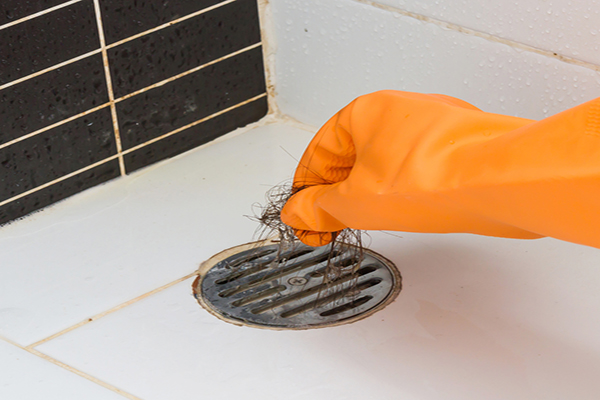
Clogged drains are one of the most common plumbing issues that homeowners face. Whether it’s a slow-draining sink, a backed-up toilet, or a completely blocked shower drain, these problems can be a major inconvenience. While DIY methods like using a plunger or pouring baking soda and vinegar down the drain can sometimes help, there are times when a professional touch is required. But what exactly do plumbers use to clean drains effectively? In this article, we’ll explore the tools and techniques that local plumbers and plumbing companies near me employ to keep your drains running smoothly.
1. Drain Snakes
One of the most common tools that plumbers use to clean drains is a drain snake, also known as an auger. This tool is a long, flexible metal cable with a corkscrew-like end. It’s designed to be inserted into the drain and can be cranked manually or by a motor to navigate through the pipe. As the snake is pushed down the drain, it breaks up and removes clogs by either pulling them out or pushing them further down the pipe where they can be flushed away.
For more severe clogs, plumbers might use a motorized auger, which can reach further and apply more force than a manual one. This method is especially effective for clearing clogs deep within the plumbing system that can’t be reached by other means.
2. Hydro Jetting
When a drain snake isn’t sufficient to clear a blockage, local plumbers often turn to hydro jetting. This technique involves using a high-pressure hose with a specialized nozzle that blasts water at pressures of up to 4,000 psi into the drain. The force of the water is strong enough to break up and flush away even the most stubborn clogs, including grease, mineral deposits, and tree roots.
Hydro jetting is not only effective at clearing existing blockages but also at cleaning the interior walls of the pipes, preventing future clogs from forming. However, it’s a method that requires professional expertise to ensure that the pipes aren’t damaged by the high-pressure water. That’s why it’s crucial to rely on plumbing companies near me that are experienced with hydro jetting.
3. Drain Cameras
Before deciding on the best method to clear a drain, plumbers often use drain cameras to inspect the interior of the pipes. These cameras are attached to a long, flexible cable that can be fed into the drain. The camera sends real-time video footage to a monitor, allowing the plumber to see exactly what’s causing the blockage and where it’s located.
By using a drain camera, plumbers can accurately diagnose the problem and determine whether the clog can be cleared with a snake or if more advanced methods like hydro jetting are necessary. Additionally, this technology helps prevent unnecessary damage to pipes and reduces the time it takes to resolve the issue.
4. Chemical Drain Cleaners (Professional-Grade)
While chemical drain cleaners available to consumers are generally not recommended due to their potential to damage pipes and harm the environment, plumbers sometimes use professional-grade chemical solutions in specific situations. These products are more potent and are used with caution to dissolve tough clogs like grease or hair.
Plumbers know how to apply these chemicals safely and in the right concentrations to avoid damaging the plumbing system. However, this method is typically a last resort, used when mechanical methods alone aren’t effective.
5. Rooter Machines
Tree roots are a common cause of blocked drains, especially in older homes where pipes may have cracks or joints that roots can infiltrate. When tree roots are the culprit, plumbers often use a rooter machine. This tool works similarly to a drain snake but is equipped with a rotating blade that cuts through roots and other tough obstructions.
Once the roots are cut, they can be flushed out of the system, restoring proper drainage. This process is particularly effective for clearing main sewer lines and preventing future root intrusion.
6. Biological Enzyme Treatments
For regular maintenance and prevention of clogs, some local plumbers use biological enzyme treatments. These treatments involve introducing naturally occurring bacteria and enzymes into the drain that feed on organic material, breaking down substances like grease, soap scum, and food particles that can cause blockages.
Unlike harsh chemical drain cleaners, enzyme treatments are safe for pipes and environmentally friendly. While they may not be suitable for clearing major blockages, they’re an excellent option for keeping drains clear and functioning properly over time.
Conclusion
When it comes to clearing clogged drains, professional plumbers have a range of tools and techniques at their disposal. From drain snakes and hydro jetting to advanced technologies like drain cameras, plumbing companies near me are equipped to tackle even the most stubborn clogs. While some minor blockages can be handled with DIY methods, it’s important to recognize when a job requires the expertise of local plumbers. By understanding what tools plumbers use and how they approach drain cleaning, you can make informed decisions and keep your plumbing system in top shape.