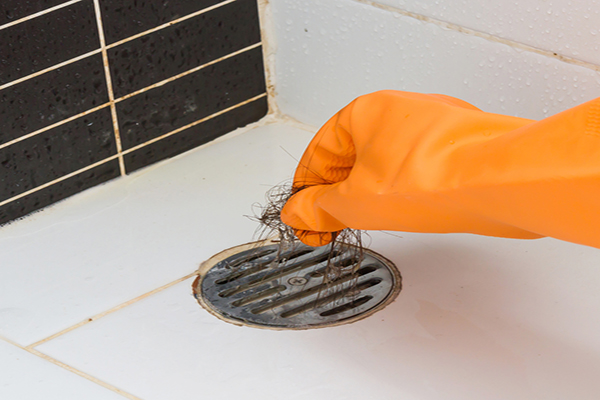
Clogged drains are a common household issue that can quickly disrupt your daily routine. Whether it’s a backed-up kitchen sink, a slow-draining shower, or a completely blocked bathroom sink, finding a fast and effective solution is essential. Chemical drain cleaners are a popular option, but with so many products on the market, you may wonder which is the best choice. This guide will help you understand how different types of drain cleaners work, what to consider when choosing one, and when it’s best to call “plumbing companies near me” or local plumbers for assistance.
Types of Chemical Drain Cleaners
Drain cleaners generally fall into three categories: caustic, oxidizing, and acidic. Each type is designed to break down different types of clogs, so knowing the cause of your blockage can help you choose the right product.
1. Caustic Drain Cleaners
Caustic drain cleaners, often based on lye (sodium hydroxide) or potash, work by generating heat through chemical reactions. This heat helps break down grease, soap scum, and other organic materials that often cause blockages in kitchen sinks. These cleaners are usually heavy-duty and work best for softer clogs, like those made from food particles and oils. Popular caustic drain cleaners include products like Drano and Liquid-Plumr, which are effective for minor blockages.
Pros: Caustic cleaners work quickly and are effective for grease-based clogs.
Cons: They can damage pipes if overused, especially in older plumbing systems. Always follow the product instructions closely to avoid corrosion.
2. Oxidizing Drain Cleaners
Oxidizing drain cleaners use chemicals like bleach, peroxides, or nitrates to create a chemical reaction that releases oxygen. This reaction can break down organic material, making oxidizing cleaners suitable for bathroom drains where hair and soap scum are common culprits. These products, such as Zep or Rooto, work effectively for typical bathroom clogs and are usually safe for most plumbing systems.
Pros: Oxidizing cleaners are safe for plastic pipes and are less corrosive than caustic cleaners. They’re ideal for bathrooms and other drains clogged with hair.
Cons: They may take longer to work and are often less effective on severe or grease-heavy clogs.
3. Acidic Drain Cleaners
Acidic drain cleaners, which often contain sulfuric or hydrochloric acid, are the most powerful option and are usually used by professional plumbers. These products are highly effective at dissolving hair, grease, and even food clogs. However, they are also the most dangerous to handle and can cause serious damage to your pipes if misused. Due to their high toxicity and potential hazards, acidic drain cleaners are generally not available for consumer use and are best left to local plumbers or plumbing companies near you who have experience handling these strong chemicals.
Pros: Acidic cleaners are extremely effective and can unblock even the toughest clogs.
Cons: These chemicals are hazardous, require proper safety gear, and can damage certain pipe materials, especially if overused.
Choosing the Right Chemical Drain Cleaner
When choosing a drain cleaner, consider these factors:
- Type of Clog: Identify what’s causing the blockage. Caustic cleaners work well on grease and food, oxidizing cleaners are good for hair, and acidic cleaners are best for severe blockages.
- Pipe Material: Caustic and acidic cleaners can damage certain types of plumbing materials, particularly older or delicate pipes. Plastic pipes are usually safe with oxidizing cleaners, while metal pipes may require the caution of a professional.
- Frequency of Use: Frequent use of chemical cleaners can weaken pipes over time. If you find yourself regularly dealing with clogs, it might be worth calling a “local plumber” to assess any underlying plumbing issues that might be causing recurring blockages.
When to Call Plumbing Companies Near Me
While chemical drain cleaners can handle many common clogs, there are times when a DIY approach isn’t enough. In these cases, contacting a professional plumber is the best course of action. Here’s when you should consider reaching out to “plumbing companies near me”:
- Persistent Clogs: If the drain cleaner doesn’t clear the clog after one or two applications, you may have a more severe blockage that requires a plumber’s tools, such as a drain snake or hydro-jetting equipment.
- Recurring Clogs: If clogs keep returning, there may be an issue within your plumbing system that needs a professional inspection. A local plumber can identify and fix root causes, such as tree root intrusion or pipe corrosion, which can’t be solved with chemicals.
- Pipe Damage Concerns: Older homes with aging plumbing systems may have pipes that are too delicate for harsh chemicals. In these cases, plumbers near you can recommend safer alternatives and make necessary repairs to protect your plumbing.
- Environmental Concerns: Chemical drain cleaners can be harmful to the environment. For a greener approach, you may prefer a professional service, as many local plumbers offer eco-friendly options for drain clearing.
Conclusion
Choosing the best chemical to unblock drains depends on the type of clog, your plumbing system, and the severity of the blockage. Caustic cleaners like Drano work well for grease clogs, oxidizing cleaners handle hair and soap buildup, and acidic cleaners are effective for severe blockages but require professional handling.
While chemical drain cleaners offer a quick fix, they’re not always the best long-term solution. If you’re dealing with a tough clog, frequent blockages, or concerns about pipe damage, calling “plumbing companies near me” or a trusted local plumber can save you time, money, and potential headaches. Professionals can clear your drains safely and identify any underlying issues to help you prevent future problems. Remember, a little preventive care goes a long way in keeping your plumbing system running smoothly!