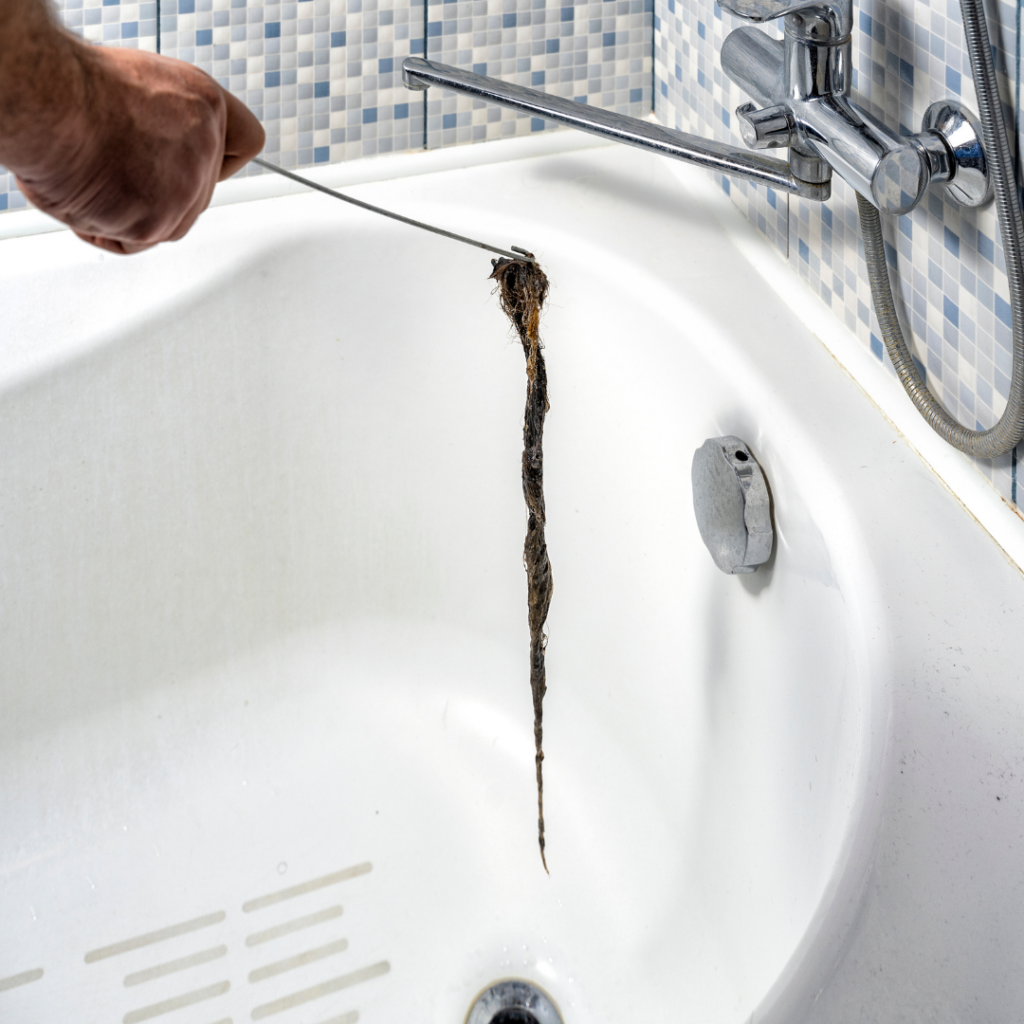
Do you ever find yourself waiting for your sink or shower to drain normally? Maybe you’re thinking it will magically get better on its own. Many people assume that because the water eventually drains, nothing is wrong. Unfortunately, that’s usually not the case.
Typically, a slow-draining pipe—or multiple slow drains—is your plumbing system sending a warning that a clog is forming. The clog may seem minor now. However, ignoring it can lead to a complete blockage, unpleasant odors, damaged pipes, or even water backups.
Let’s discuss why slow drains rarely “fix themselves” and what you should do instead.
What Causes Slow Drains?
Your pipes stay free-flowing when they have enough space for water to move through them. Over time, everyday household materials build up inside the pipes. As this buildup grows, it reduces the amount of space available for water to flow.
Some of the most common causes include:
- Hair
- Soap scum
- Grease and cooking oil
- Food waste
- Coffee grounds
- Mineral buildup from hard water
- Small objects accidentally dropped into drains
Every use adds another layer of buildup. Instead of disappearing, the drain clog usually becomes larger over time.
Will a Slow Drain Fix Itself?
In rare cases, a small amount of soap scum or debris may shift after a large amount of water passes through the drain. However, this is not a long-term solution.
Think of a drain clog like plaque inside an artery. Some water may still pass through, but the buildup continues to restrict flow. Even if your drain seems normal for a few days, the original problem usually remains. Over time, the clog often grows until water can no longer pass through.
Early Warning Signs Your Drain Clog Is Getting Worse
A slow drain often starts with small warning signs that homeowners overlook. Catching these issues early can save you money and help prevent major plumbing repairs.
Watch for:
- Water collecting around your feet in the shower
- Standing water in sinks
- Gurgling sounds after draining
- Bad odors coming from the drain
- Water backing up into another fixture
- Multiple drains slowing down at the same time
If you notice two or more of these symptoms, the clog may be farther down the line. It could even affect your home’s main sewer line.
Are DIY Chemical Drain Cleaners Worth It?
Many homeowners reach for a chemical drain cleaner as soon as they notice a clog. These products may improve water flow temporarily. However, they rarely remove the entire drain clog.
Chemical drain cleaners can also:
- Damage older pipes
- Weaken certain plumbing materials
- Leave behind residue that collects more debris
- Create dangerous chemical reactions if mixed with other products
Baking soda and vinegar are another popular DIY solution. They may help freshen a drain, but they won’t remove heavy buildup inside your pipes.
If the same drain clog keeps returning, it’s time to move beyond temporary fixes.
How Can Professional Drain Cleaning Help?
Unlike DIY methods that simply push debris farther down the pipe, professional drain cleaning removes the clog completely.
Depending on the size and location of the blockage, a trusted plumber may use:
- Professional drain snakes
- Video camera inspections
- Hydro jetting systems
- Root-cutting equipment for sewer lines
These tools allow your plumber to locate the exact source of the problem. They also restore proper water flow without unnecessary guesswork.
Professional drain cleaning can also uncover hidden problems. These may include cracked pipes, tree root intrusion, or excessive mineral buildup before they become expensive repairs.
Preventing Future Drain Clogs
The best way to avoid another slow drain is to stop buildup before it starts.
Simple habits can make a big difference:
- Install drain screens to catch hair and food particles.
- Never pour grease or cooking oil down the drain.
- Scrape leftover food into the trash before rinsing dishes.
- Flush drains with hot water regularly.
- Schedule routine preventative drain maintenance.
Following these simple steps can help extend the life of your plumbing system and reduce the risk of emergency repairs.
When Should You Call a Trusted Plumber?
Some plumbing problems are easy to fix yourself. Others require the experience of a trusted plumber.
Call a trusted plumber if you notice:
- Multiple slow drains throughout your home
- Frequent recurring clogs
- Water backing up into sinks, tubs, or showers
- Sewage odors inside your home
- Standing water that won’t drain
Ignoring these warning signs usually allows the clog to grow worse. Acting early can help you avoid more extensive and costly plumbing repairs.
If you’re dealing with a slow drain or recurring drain clog, the experienced team at AC Plumbing Construction can help. From professional drain cleaning to hydro jetting and camera inspections, they provide reliable plumbing solutions throughout San Diego. Learn more or schedule service at https://acplumbingconstructioninc.com/.