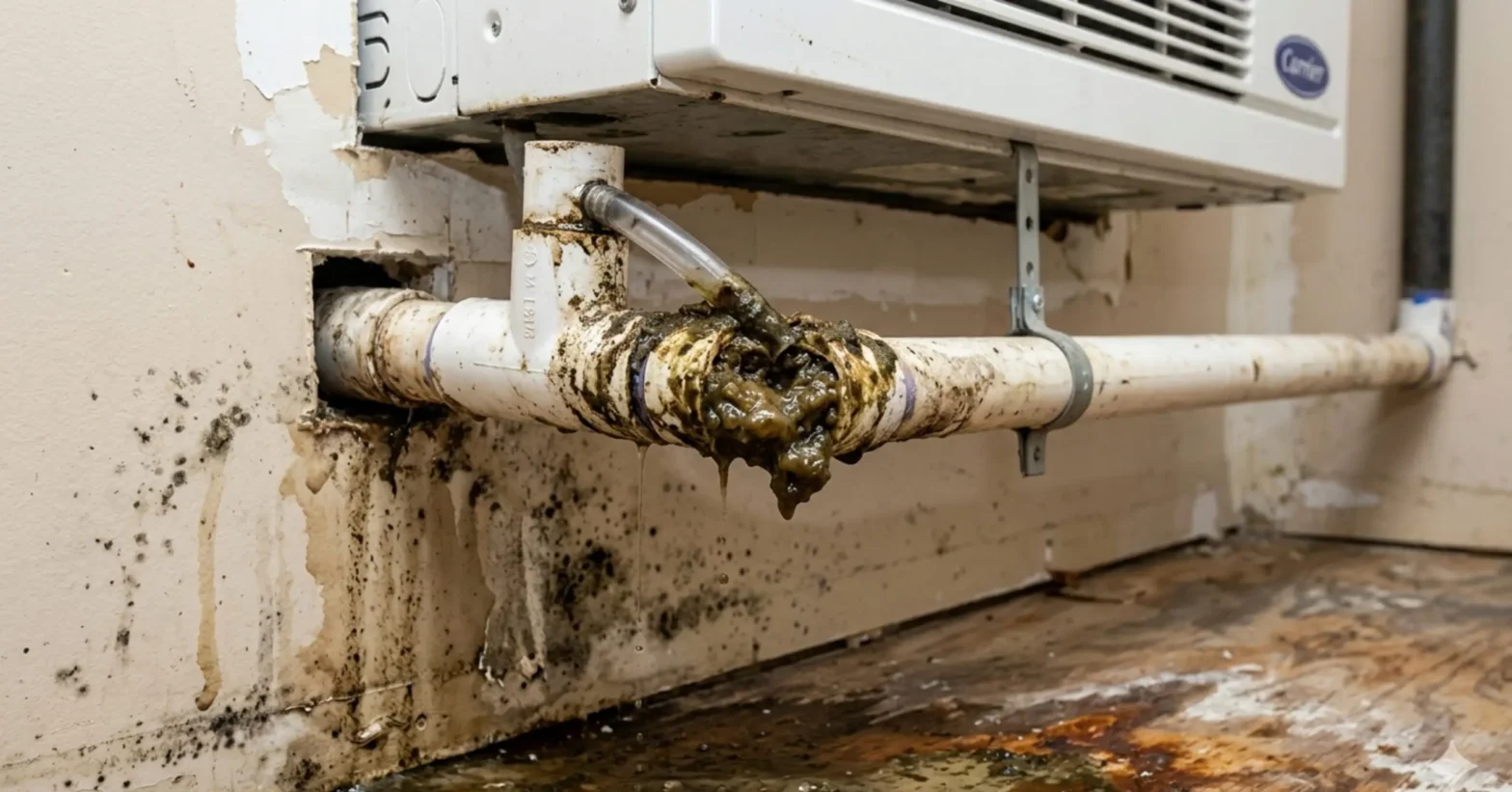
How Does a Clogged Drain Cause Water Damage?
A clogged drain blocks the flow of water through your home’s plumbing system. As debris accumulates inside your pipes, it becomes increasingly difficult for water to drain properly. Eventually, the blockage may become so severe that water begins to back up into sinks, showers, bathtubs, or even onto your floors.
As a result, when water cannot escape, it may leak into surrounding materials such as drywall, flooring, cabinets, and subfloors. Over time, excessive moisture can weaken building materials and create an ideal environment for mold growth.
Therefore, the longer a clogged drain remains untreated, the greater the risk of water damage throughout the affected area.
What Causes Drains to Become Clogged?
Drain clogs often develop gradually. By understanding the most common causes, homeowners can take steps to prevent future issues.
Kitchen Drains
Kitchen drains frequently become clogged due to:
- Grease and cooking oils
- Food scraps
- Coffee grounds
- Soap residue
Even small amounts of grease can build up inside pipes. As a result, other debris becomes trapped and eventually forms a blockage.
Bathroom Drains
Bathroom drains commonly clog because of:
- Hair buildup
- Soap scum
- Toothpaste residue
- Personal care products
Over time, these materials collect inside pipes and slowly restrict water flow.
Main Sewer Lines
More serious drain problems can originate in the main sewer line. Common causes include:
- Tree root intrusion
- Pipe damage
- Foreign objects
- Heavy debris buildup
Consequently, when the main sewer line becomes blocked, multiple drains throughout the home may be affected.
Early Warning Signs of Water Damage
Identifying drain problems early can help prevent costly repairs. Watch for these common warning signs.
Slow-Draining Water
If water takes longer than usual to drain from a sink, shower, or bathtub, a clog may be developing inside the pipe.
Recurring Clogs
Likewise, frequent clogs often indicate a larger issue deeper within the plumbing system.
Unpleasant Odors
In addition, foul smells coming from drains may signal trapped debris or standing water caused by a blockage.
Water Backups
Most importantly, water backing up into fixtures is a serious warning sign that should be addressed immediately.
Moisture or Stains
Furthermore, stains on walls, ceilings, or cabinets can indicate hidden water damage caused by plumbing issues.
The Hidden Costs of Water Damage
Many homeowners underestimate how expensive water damage can become. While professional drain cleaning is relatively affordable, repairing damaged materials often requires significant investment.
Potential costs may include:
- Flooring replacement
- Drywall repairs
- Mold remediation
- Cabinet replacement
- Structural repairs
- Plumbing repairs
For this reason, addressing a clogged drain early can help homeowners avoid major expenses and protect their property.
Why Professional Drain Cleaning Matters
Many homeowners attempt to clear clogs using chemical drain cleaners. Although these products may provide temporary relief, they often fail to remove the entire blockage.
Additionally, chemical cleaners can sometimes damage pipes and create new plumbing issues.
Professional drain cleaning provides a safer and more effective solution. Using specialized equipment, plumbers can thoroughly remove debris while protecting your plumbing system.
Moreover, professional drain cleaning allows plumbers to identify developing problems before they become plumbing emergencies.
How to Prevent Drain Clogs and Water Damage
Fortunately, preventative maintenance is one of the most effective ways to avoid costly plumbing repairs.
Homeowners can reduce the risk of clogs by:
- Avoiding grease disposal in kitchen drains
- Using drain screens or strainers
- Keeping hair out of bathroom drains
- Flushing only approved items
- Scheduling routine drain cleaning services
Additionally, regular plumbing inspections can help identify hidden issues before they result in water damage.