Introduction
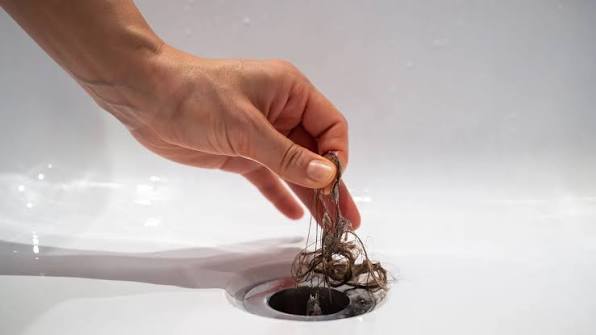
While some amount of hair going down the shower drain or bathroom sink drain is expected by many homeowners, it can eventually cause significant plumbing issues. Since hair will not dissolve in water, it travels through the pipes, getting caught on rough spots, pipe joints, etc. Once a couple of strands get stuck together, they attract more hair and start forming an entangled mess of hair which impedes water flow. Eventually, the blockage gets bigger due to all the remaining debris (soapsuds, toothpaste, dirt, etc.) that gets caught in the hair. What was originally just a few strands could eventually result in a significant drain clog affecting your plumbing system’s overall functionality.
Common places where hair clogs develop
Hair clogs can form in multiple parts of the bathroom.
Shower Drains
Shower drains are where hair clogs tend to develop. Each time you take a shower, you send loose hair towards the drain. The more hair you have accumulating under the drain, the slower water moves through the pipe.
Bathtub Drains
Bathtub Drains face similar challenges. Long hair tends to wrap itself around drain components and trap soap scum which makes for a very tough clog.
Sink drains
Many homeowners do not know that their Bathroom Sink Drains can become clogged with hair. Shaving, brushing and grooming all produce hair which goes into the sink drain along with toothpaste and soapsuds.
Warning signs that your drains have been affected by hair buildup
Hair clogs typically develop over time. Recognizing the signs early on can potentially allow you to avoid a total blockage in your drains.
Slow-draining water
One of the first indicators that you might have a developing hair clog is slow-draining water. If your shower, tub or sink takes longer than usual to drain, it could be because hair has accumulated inside your pipes and is limiting the flow of water.
Water standing
Another sign that you have a potential developing clog in your drain is standing water near your feet while taking a shower. At this point, the clog hasn’t completely blocked off the drain but it is impeding proper drainage.
Bad odors coming from your drains
Trapped hair captures soap suds, dead skin cells and other organics. When these materials break down, they create bad smells emanating from your drain.
Clogging problems keep happening
If you find yourself continually clearing out the same drain, chances are that there is an enormous amount of hair buildup farther back in your plumbing system.
Other materials combined with hair to create blockages
Hair itself can present problems but once it combines with other materials such as:
* soap scum
* conditioner
* toothpaste
* mineral deposits
And many others; then it creates a sticky-type clog that is becoming harder to clear.
With each passing day, the clog will continue growing and slowing down water flow. Eventually, homeowners will experience either extremely slow draining or complete stoppage of the affected drains requiring professional assistance to resolve.
Tips for keeping hair out of your drains
There are some Things you can easily do to minimize the potential for a hair clog from occurring. Some of these tips include:
Using a drain screen
A drain screen provides a barrier to catch loose hair before it ever enters your plumbing system. These are available at most hardware stores and home improvement centers. They cost relatively little and are very easy to install.
Removing excess hair
After every bath/shower, clean out any excess hair from around the drain opening. Simply doing this can stop a lot of hair from going further into your plumbing system.
Flushing drains with hot water
Hot water flushing through your bathroom drains can sometimes dislodge soap residue before it forms into a problem.
Scheduling routine drain cleaning
Regular professional drain cleaning can help prevent massive amounts of buildup from forming into major clogs. It will also prolong the life expectancy of your plumbing system.
Why using Chemical drain cleaner products are not always the best solution
Homeowners often reach for Chemical drain cleaner products when experiencing Slow Draining Water. Unfortunately, using these products can only temporarily solve your problem.
Chemical Cleaners generally don’t eliminate the entire blockage created by hair. In fact, repeated use of Chemical Cleaners can cause long-term damage to your pipes, especially those found in older homes. It may ultimately result in costly repair needs.
Instead of relying on chemicals to fix your problems, consider contacting a local licensed plumber to assist with professional drain cleaning for problematic hair clogs.
When should you hire a licensed plumber?
Not all clogs can be resolved using DIY methods or simply performing routine maintenance tasks. There are times when you need to hire a professional plumber to handle drain cleaning tasks.
You’ll want to call us immediately if:
Multiple drains are slow draining.
Water backs-up regularly.
Odors are continuously being emitted from your drains.
Your previous attempts to resolve the issue were unsuccessful.
The same drain consistently clogs.
Licensed plumbers use various types of equipment designed specifically for locating and eliminating obstructions within your plumbing system without causing damage to your piping.
At AC Plumbing Construction we specialize in providing top-notch drain cleaning and drain maintenance solutions across San Diego County. We can rapidly determine the root cause of your plumbing issues and ensure that your plumbing system operates correctly again.
Conclusion
Hair is One of the largest contributors to issues experienced with bathroom drains. Although a few strands of hair may appear harmless, hair accumulation in conjunction with soap residue and other debris can quickly evolve into a serious obstruction within your plumbing system.
By implementing preventative measures (such as utilizing drain screens, removing visible hair and maintaining regular drain cleaning), homeowners can dramatically decrease their chances of having slow draining toilets, sinks and bathtubs.